
KPV vs Alpha-MSH: The Tripeptide and Its Parent Hormone
For laboratory research only. Not for human or animal use. This article gives no dosing, administration or therapeutic advice.
Short answer: KPV is not a separate hormone but the last three residues of alpha-melanocyte-stimulating hormone. Alpha-MSH is a 13-residue peptide derived from proopiomelanocortin (POMC), with the sequence SYSMEHFRWGKPV; KPV is positions 11 to 13, Lys-Pro-Val[1][2]. The two share anti-inflammatory activity in many models, but they appear to get there differently. Alpha-MSH acts largely through melanocortin receptors in the brain and on immune and peripheral cells[1][3]. Several studies found that KPV does not raise cAMP or bind melanocortin receptors in the cells tested and that its anti-inflammatory effect persists in mice lacking functional MC1R[4][5][6]; in intestinal cells, KPV is taken up by the peptide transporter PepT1[7]. One keratinocyte study complicates that picture[8]. For research design, the question is whether you want melanocortin receptor pharmacology (alpha-MSH and its analogues) or a receptor-independent tripeptide (KPV).
From POMC to a tripeptide
Alpha-MSH is cut from proopiomelanocortin, the same precursor that yields ACTH and beta-endorphin. Its first 13 residues are identical to ACTH(1-13); N-terminal acetylation of ACTH(1-13)-amide (desacetyl-alpha-MSH) produces alpha-MSH, and that acetylation enhances some of the peptide’s activities while virtually eliminating others[9]. At the other end, the C-terminal valine matters too. The enzyme prolylcarboxypeptidase removes valine 13 to produce alpha-MSH(1-12), which is not neuroactive, and mice lacking the enzyme had higher hypothalamic alpha-MSH(1-13)[10].
The idea that the C-terminal fragment might carry activity of its own came from inflammation research. Reviews from the late 1990s and 2000s describe alpha-MSH as an ancient neuroimmunomodulatory peptide whose anti-inflammatory influence centres on inhibiting NF-kappaB, and note that certain alpha-MSH fragments, including the C-terminal tripeptide, share that influence[11][12].
Identity at a glance
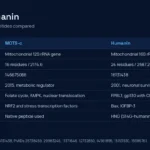
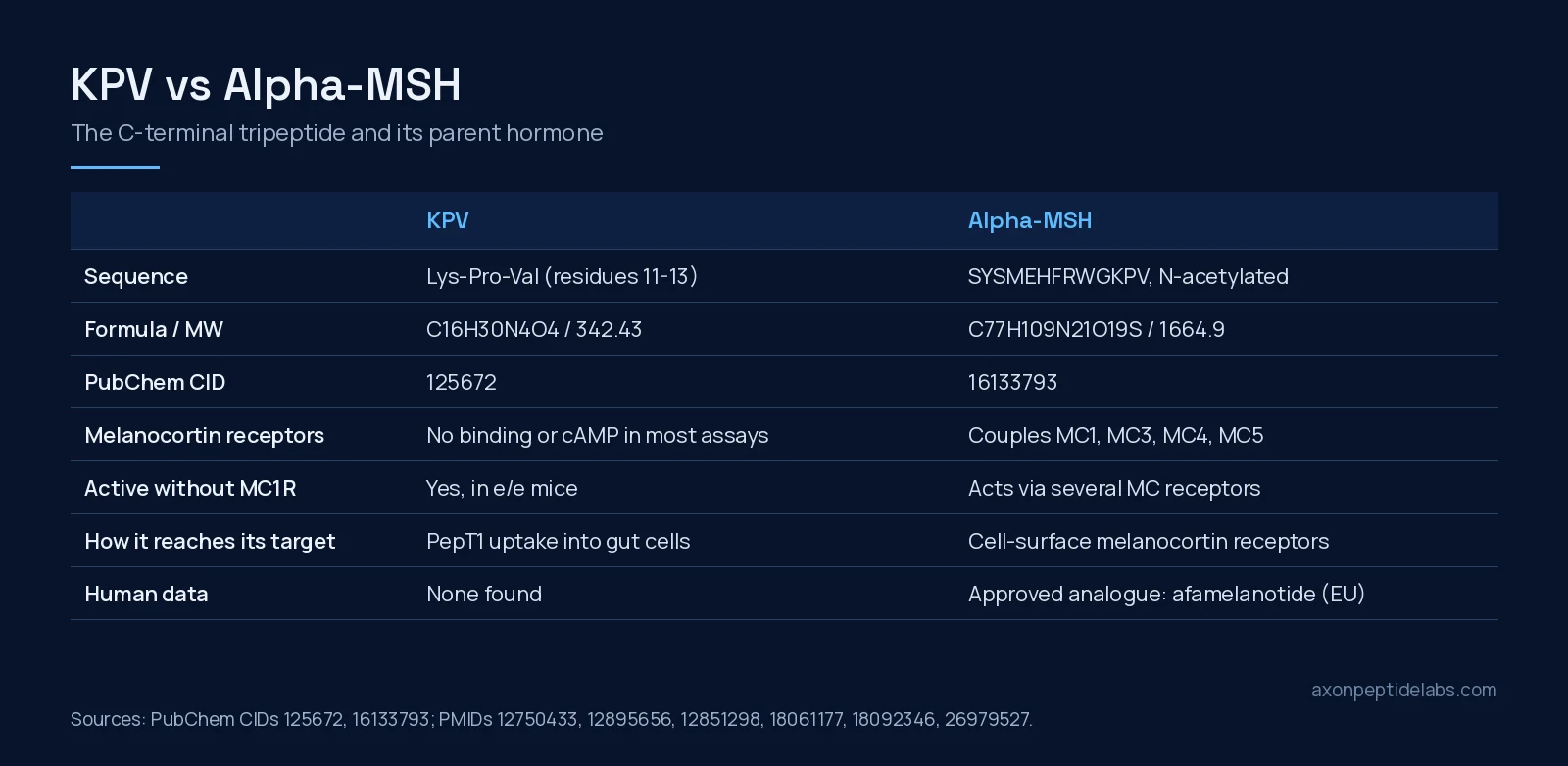
| Property | KPV | Alpha-MSH |
|---|---|---|
| Synonyms | Alpha-MSH(11-13), ACTH(11-13), Lys-Pro-Val | Alpha-melanotropin, alpha-intermedin |
| Sequence | Lys-Pro-Val | SYSMEHFRWGKPV, N-acetylated (alpha-MSH 1-13) |
| Length | 3 residues | 13 residues |
| Molecular formula | C16H30N4O4 | C77H109N21O19S |
| Molecular weight | 342.43 g/mol | 1664.9 g/mol |
| CAS (PubChem synonym) | 67727-97-3 | 581-05-5 |
| PubChem CID | 125672 | 16133793 |
| Melanocortin receptor activity | Disputed; mostly negative in binding and cAMP assays | Agonist at MC1, MC3, MC4 and MC5 receptors |
Identity values are from the linked PubChem records. The receptor row draws on the studies discussed below[9][4][5][8]. Note that PubChem’s alpha-MSH record lists desacetyl synonyms alongside the acetylated peptide, so check which form a supplier or paper means.
Alpha-MSH: a melanocortin receptor agonist
The receptors for MSH and ACTH were cloned in 1992 and defined a subfamily of G protein-coupled receptors[13]. Alpha-MSH and desacetyl-alpha-MSH coupled MC1, MC3, MC4 and MC5 receptors expressed in HEK293 cells similarly to both adenylyl cyclase and calcium signalling, though only alpha-MSH significantly increased primary rat osteoblast proliferation[9].
Its anti-inflammatory profile is broad. Reviews describe effects on NF-kappaB activation, adhesion molecules, inflammatory cytokines, chemokine receptors, T-cell activity and inflammatory cell migration, elicited through melanocortin receptors on immune cells, peripheral cells and in the central nervous system, where they orchestrate descending neurogenic anti-inflammatory pathways[1][3]. A 2019 review adds the historical context: ACTH was used against rheumatoid arthritis from 1949, and the melanocortins are now known to have glucocorticoid-independent anti-inflammatory effects through their receptors[14].
Alpha-MSH itself is short-lived, which is why analogues were developed. Afamelanotide, the compound sold for research as Melanotan I, is a synthetic alpha-MSH analogue and first-in-class MC1R agonist; a 2016 review records its EU approval for a specific indication in erythropoietic protoporphyria[15]. Our Melanotan I vs Melanotan II comparison covers the analogue chemistry in detail.
KPV: what the tripeptide does on its own
Not acting like a melanocortin agonist
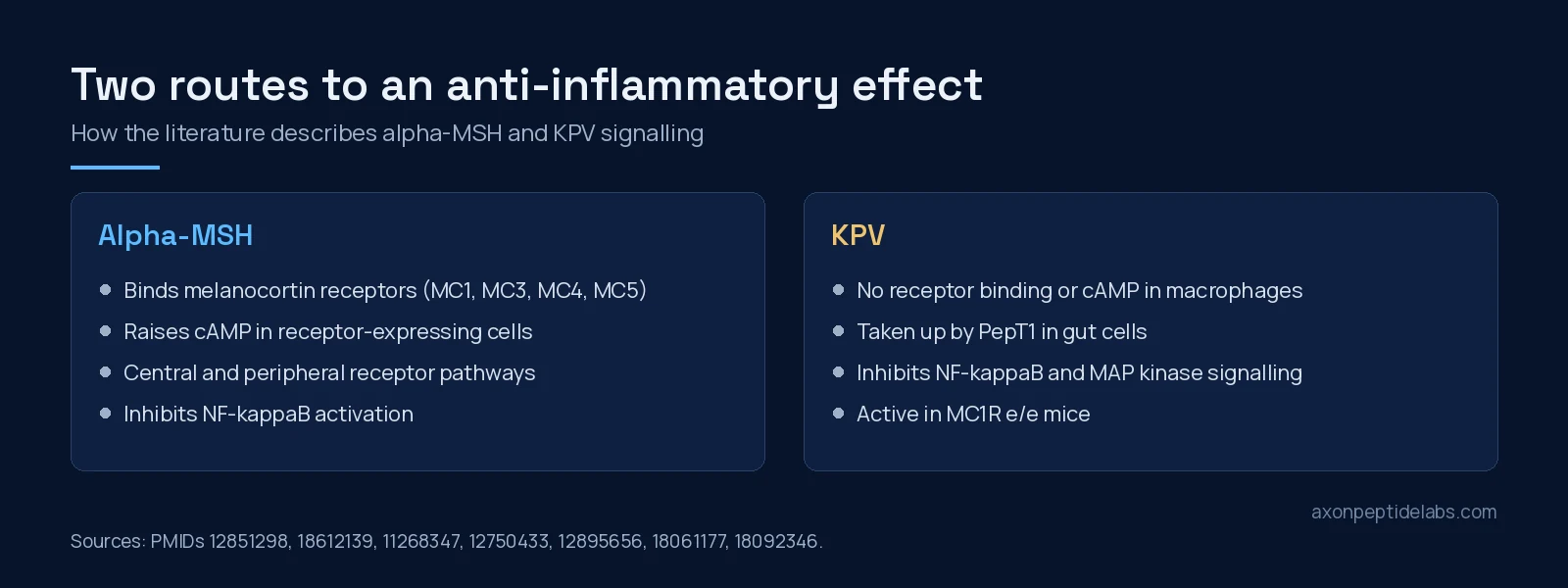
The strongest evidence that KPV works differently comes from receptor pharmacology. In a 2003 study, the melanocortin agonist MTII raised cAMP in macrophages and this was blocked by the antagonist SHU9119, but KPV failed to raise cAMP; KPV was still anti-inflammatory in IL-1beta-induced peritonitis and in recessive yellow e/e mice with nonfunctional MC1R. The authors concluded KPV is unlikely to act through melanocortin receptors and more likely acts by inhibiting IL-1beta functions[4]. Separately, KPV and cyclic analogues neither bound melanocortin receptors nor stimulated cAMP in macrophage and melanoma cells, yet all inhibited nitric oxide production in stimulated macrophages[5].
The keratinocyte exception
Not every study agrees. In HaCaT and normal human keratinocytes, neither alpha-MSH, KPV nor ACTH peptides raised cAMP, but all produced rapid intracellular calcium signals in HaCaT cells. In Chinese hamster ovary cells stably transfected with MC1R, both alpha-MSH and the KPV peptides elevated intracellular calcium[8]. So KPV may have some activity at an overexpressed MC1R through calcium rather than cAMP. Notably, in this cell type alpha-MSH did not raise cAMP either, which means the keratinocyte data do not separate the two peptides as cleanly as the macrophage data do.
PepT1 uptake in the gut
A 2008 study gave KPV a concrete entry route. In human intestinal epithelial cells and T cells, KPV was transported by PepT1, a di- and tripeptide transporter normally found in the small intestine and induced in the colon during inflammatory bowel disease. At nanomolar concentrations it inhibited NF-kappaB and MAP kinase signalling and reduced pro-inflammatory cytokine secretion, and in DSS and TNBS colitis models in mice it reduced inflammation markers[7]. A second 2008 study found KPV active in both DSS and T-cell transfer colitis in mice, and in MC1R e/e mice it rescued all treated animals from death during DSS colitis, effects described as at least partly independent of MC1R signalling[6].
Other models
KPV research extends beyond the gut. Alpha-MSH and KPV both inhibited Staphylococcus aureus colony formation and reduced viability of Candida albicans in vitro, across a broad concentration range[2]. In a mouse traumatic brain injury model, a single administration of alpha-MSH(11-13) was followed by smaller lesions, reduced microglial activation by branch counting and less neuronal apoptosis, although TNF-alpha, IL-1beta and total Iba-1 positive cells were not reduced[16]. Formulation work has loaded KPV into hyaluronic-acid-functionalised nanoparticles targeted to colonic epithelial cells and macrophages in a mouse colitis model[17].
Side-by-side research comparison
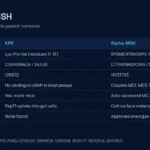
| Question | KPV | Alpha-MSH |
|---|---|---|
| Melanocortin receptor binding | Not detected in binding or cAMP assays[4][5]; calcium signal at transfected MC1R[8] | Couples MC1, MC3, MC4, MC5[9] |
| Proposed mechanism | PepT1 uptake; NF-kappaB and MAPK inhibition; IL-1beta antagonism[7][4] | Receptor-mediated NF-kappaB inhibition; central pathways[11][1] |
| Active without MC1R? | Yes, in e/e mice[4][6] | Acts through several MC receptors[3] |
| Antimicrobial data | Yes, in vitro[2] | Yes, in vitro[2] |
| Inactivation route described | Not characterised in these papers | Removal of Val13 by prolylcarboxypeptidase[10] |
| Approved analogue | None | Afamelanotide (EU)[15] |
Practical notes for study design
Three details from these papers change how an experiment should be set up. First, the readout matters: a cAMP assay will tend to show alpha-MSH active and KPV silent[4][5], while a calcium readout in keratinocytes showed both active[8]. Choosing one readout can decide the answer before the experiment starts. Second, genotype matters. Studies that use MC1R e/e mice are the cleanest way to ask whether an effect needs MC1R, and KPV kept its activity in them[4][6]. Third, the tissue matters. PepT1 is normally expressed in the small intestine and induced in the inflamed colon[7], so a cell line without PepT1 may underestimate KPV uptake. For alpha-MSH, remember that the acetylation state changes activity in some assays[9] and that removal of the C-terminal valine inactivates it in the hypothalamus[10]; storage and handling that allow degradation can therefore change what is being tested.
What the evidence does not show
- No human studies of KPV. The KPV literature is cell culture and rodent models[7][6][16]. We found no clinical trial and no FDA approval listing for KPV.
- No settled receptor for KPV. PepT1 explains how KPV enters intestinal cells[7], not what it binds once inside, and the MC1R evidence points in two directions[4][8].
- No head-to-head potency data that transfer across models. Some reviews group alpha-MSH and its tripeptides together[1], but the e/e mouse and cAMP studies show they should not be treated as interchangeable[4].
- Alpha-MSH itself is rarely the research compound. Because the native hormone is short-lived and acts on several receptors, most applied work uses analogues such as afamelanotide[15]. Findings with an analogue are not findings with native alpha-MSH.
- Antimicrobial results are in vitro only[2].
Sourcing for research
Axon stocks KPV 10 mg and the alpha-MSH analogue Melanotan I 10 mg; we do not sell native alpha-MSH. At the time of writing, no certificate of analysis for KPV or Melanotan I is posted on our COA page, so request batch documentation if your protocol needs it. Our KPV vs BPC-157 comparison covers KPV’s gut literature from a different angle. If you plan to buy lab-tested peptides in Canada for melanocortin work, pick by mechanism: KPV for receptor-independent anti-inflammatory and PepT1 models, an alpha-MSH analogue for MC1R pharmacology.
Frequently asked questions
Is KPV part of alpha-MSH?
Yes. KPV (Lys-Pro-Val) is residues 11 to 13 of alpha-MSH, a 13-residue peptide derived from proopiomelanocortin. It is also identical to ACTH(11-13).
Does KPV activate melanocortin receptors?
Mostly not in the assays reported. KPV did not raise cAMP or bind melanocortin receptors in macrophage and melanoma cells, but one study found it raised intracellular calcium in cells overexpressing MC1R.
How does KPV get into intestinal cells?
A 2008 study showed KPV is transported by PepT1, a di- and tripeptide transporter found in the small intestine and induced in the inflamed colon.
Is KPV active in mice without MC1R?
Yes. KPV remained anti-inflammatory in recessive yellow e/e mice with nonfunctional MC1R, in peritonitis and DSS colitis models.
What is the relationship between alpha-MSH and Melanotan I?
Melanotan I is afamelanotide, a synthetic alpha-MSH analogue and MC1R agonist. A 2016 review records its EU approval for a specific indication in erythropoietic protoporphyria.
References
- Brzoska T, Luger TA, Maaser C et al. (2008). Alpha-melanocyte-stimulating hormone and related tripeptides: biochemistry, antiinflammatory and protective effects in vitro and in vivo, and future perspectives for the treatment of immune-mediated inflammatory diseases. Endocr Rev. PMID: 18612139. doi: 10.1210/er.2007-0027.
- Cutuli M, Cristiani S, Lipton JM et al. (2000). Antimicrobial effects of alpha-MSH peptides. J Leukoc Biol. PMID: 10670585. doi: 10.1002/jlb.67.2.233.
- Brzoska T, Böhm M, Lügering A et al. (2010). Terminal signal: anti-inflammatory effects of α-melanocyte-stimulating hormone related peptides beyond the pharmacophore. Adv Exp Med Biol. PMID: 21222263. doi: 10.1007/978-1-4419-6354-3_8.
- Getting SJ, Schiöth HB, Perretti M (2003). Dissection of the anti-inflammatory effect of the core and C-terminal (KPV) alpha-melanocyte-stimulating hormone peptides. J Pharmacol Exp Ther. PMID: 12750433. doi: 10.1124/jpet.103.051623.
- Muceniece R, Krigere L, Süli-Vargha H et al. (2003). Effects of alpha-melanotropin C-terminal tripeptide analogues on macrophage NO production. Peptides. PMID: 12895656. doi: 10.1016/s0196-9781(03)00128-1.
- Kannengiesser K, Maaser C, Heidemann J et al. (2008). Melanocortin-derived tripeptide KPV has anti-inflammatory potential in murine models of inflammatory bowel disease. Inflamm Bowel Dis. PMID: 18092346. doi: 10.1002/ibd.20334.
- Dalmasso G, Charrier-Hisamuddin L, Nguyen HT et al. (2008). PepT1-mediated tripeptide KPV uptake reduces intestinal inflammation. Gastroenterology. PMID: 18061177. doi: 10.1053/j.gastro.2007.10.026.
- Elliott RJ, Szabo M, Wagner MJ et al. (2004). alpha-Melanocyte-stimulating hormone, MSH 11-13 KPV and adrenocorticotropic hormone signalling in human keratinocyte cells. J Invest Dermatol. PMID: 15102092. doi: 10.1111/j.0022-202X.2004.22404.x.
- Mountjoy KG, Wu CS, Cornish J et al. (2003). alpha-MSH and desacetyl-alpha-MSH signaling through melanocortin receptors. Ann N Y Acad Sci. PMID: 12851298. doi: 10.1111/j.1749-6632.2003.tb03162.x.
- Wallingford N, Perroud B, Gao Q et al. (2009). Prolylcarboxypeptidase regulates food intake by inactivating alpha-MSH in rodents. J Clin Invest. PMID: 19620781. doi: 10.1172/JCI37209.
- Ichiyama T, Sato S, Okada K et al. (2000). The neuroimmunomodulatory peptide alpha-MSH. Ann N Y Acad Sci. PMID: 11268347. doi: 10.1111/j.1749-6632.2000.tb05386.x.
- Lipton JM, Catania A (1998). Mechanisms of antiinflammatory action of the neuroimmunomodulatory peptide alpha-MSH. Ann N Y Acad Sci. PMID: 9629264. doi: 10.1111/j.1749-6632.1998.tb09576.x.
- Mountjoy KG, Robbins LS, Mortrud MT et al. (1992). The cloning of a family of genes that encode the melanocortin receptors. Science. PMID: 1325670. doi: 10.1126/science.1325670.
- Wang W, Guo DY, Lin YJ et al. (2019). Melanocortin Regulation of Inflammation. Front Endocrinol (Lausanne). PMID: 31649620. doi: 10.3389/fendo.2019.00683.
- Kim ES, Garnock-Jones KP (2016). Afamelanotide: A Review in Erythropoietic Protoporphyria. Am J Clin Dermatol. PMID: 26979527. doi: 10.1007/s40257-016-0184-6.
- Schaible EV, Steinsträßer A, Jahn-Eimermacher A et al. (2013). Single administration of tripeptide α-MSH(11-13) attenuates brain damage by reduced inflammation and apoptosis after experimental traumatic brain injury in mice. PLoS One. PMID: 23940690. doi: 10.1371/journal.pone.0071056.
- Xiao B, Xu Z, Viennois E et al. (2017). Orally Targeted Delivery of Tripeptide KPV via Hyaluronic Acid-Functionalized Nanoparticles Efficiently Alleviates Ulcerative Colitis. Mol Ther. PMID: 28143741. doi: 10.1016/j.ymthe.2016.11.020.