
Peptide COA Canada is where Axon Peptide Labs lists available certificate-of-analysis details for research peptide batches sold in Canada. Use it to check the basics that matter before comparing products: product name, batch or lot number, purity percentage, test date, lab source, and verification link when available.
The best peptide suppliers in Canada do not ask researchers to trust vague quality claims. They show batch-specific COAs, HPLC or other lab-testing details, clear purity results, and traceable documentation. Axon uses this page to put those quality signals in one place for research-use buyers.
Axon products are sold strictly for research and laboratory use only. They are not intended for human or animal consumption, diagnosis, treatment, disease prevention, therapeutic use, or self-administration.
Peptide COA Canada: Batch-Level Purity Verification
Use the COA archive below to review available testing documentation for Axon research peptides, including product lots such as Retatrutide, BPC-157, TB-500, GHK-Cu, Ipamorelin, Tesamorelin, MOTS-c, NAD+, Semaglutide, and Glow70. The goal is simple: connect each research product with the purity and batch documentation behind it.
For third-party verification, some batch records may include direct verification links from the testing source. External lab documentation may include providers such as Testides, depending on the available batch record. Always review the actual COA shown for the specific product and lot.
What to Check Before Buying Research Peptides
- Product match: the COA should match the exact peptide or blend you are reviewing.
- Batch number: batch-specific testing is stronger than a generic lab report.
- Purity percentage: many leading Canadian peptide pages highlight 98-99%+ purity where testing supports it.
- Testing method: HPLC and mass spectrometry are common methods used to review peptide identity and purity.
- Test date and lab source: current, traceable results are more useful than unsupported purity claims.
Shop Research Peptides With Available COA Details
After reviewing batch-level purity information, browse all research peptides or visit the peptides collection. Key product pages with available COA context include Retatrutide, BPC-157, TB-500, GHK-Cu, NAD+, CJC-1295 + Ipamorelin, and Tesamorelin.
Certificate of Analysis
Glow70
- Batch:
- MP-GLOW-70-041626
- Purity:
- 99.33%
- Date:
- 30 APR 2026
- Lab:
- testides.com
Certificate of Analysis
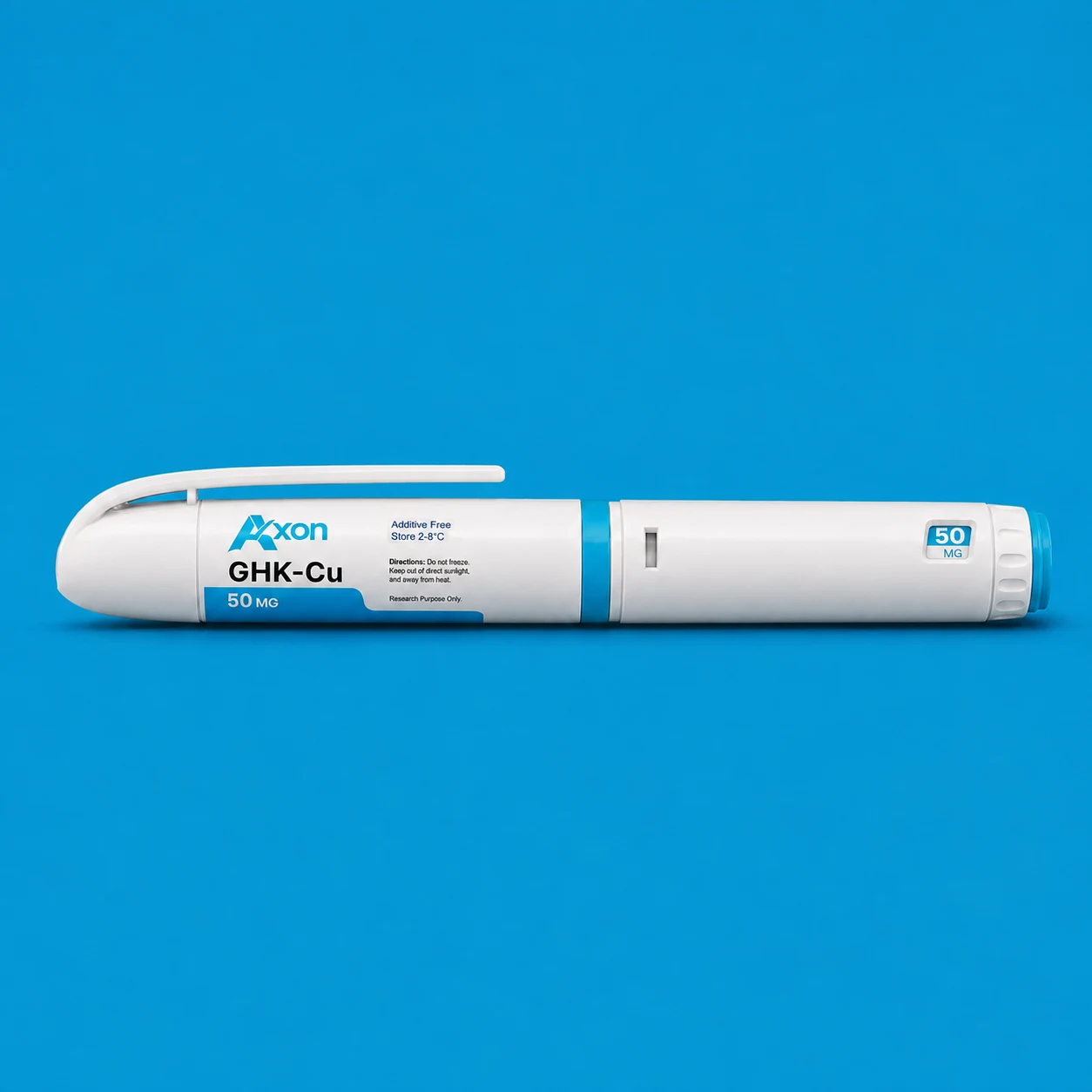
GHK-Cu 100 mg (pen)
- Batch:
- MP-GHKC-100-041626
- Purity:
- 99.72%
- Date:
- 29 APR 2026
- Lab:
- testides.com
Certificate of Analysis
GLP-3 10 mg (Pen)
- Batch:
- MP-RETA-10-041626
- Purity:
- 99.60%
- Date:
- 29 APR 2026
- Lab:
- testides.com
Certificate of Analysis
TB-500 10mg
- Batch:
- MP-TB50-10-041626
- Purity:
- 99.69%
- Date:
- 29 APR 2026
- Lab:
- testides.com
Certificate of Analysis
BPC-157 10mg
- Batch:
- MP-BPC1-10-041626
- Purity:
- 99.33%
- Date:
- 29 APR 2026
- Lab:
- testides.com
Certificate of Analysis
Semax 10mg
- Batch:
- MP-SEMA-10-041626
- Purity:
- 99.43%
- Date:
- 29 APR 2026
- Lab:
- testides.com
Certificate of Analysis
GLP-3 10mg
- Batch:
- MP-RETA-10-041626
- Purity:
- 99.60%
- Date:
- 29 APR 2026
- Lab:
- testides.com
Certificate of Analysis
Ipamorelin 10mg
- Batch:
- MP-IPAM-10-041626
- Purity:
- 99.76%
- Date:
- 29 APR 2026
- Lab:
- testides.com
Certificate of Analysis
GHK-Cu 100 mg
- Batch:
- MP-GHKC-100-041626
- Purity:
- 99.72%
- Date:
- 29 APR 2026
- Lab:
- testides.com
Certificate of Analysis
MOTS-C 10mg (pen)
- Batch:
- MP-MOTS-10-041626
- Purity:
- 99.89%
- Date:
- 28 APR 2026
- Lab:
- testides.com
Certificate of Analysis
Tesamorelin 10mg (pen)
- Batch:
- MP-TESA-10-041626
- Purity:
- 99.68%
- Date:
- 28 APR 2026
- Lab:
- testides.com
Certificate of Analysis
Tesamorelin 10mg
- Batch:
- MP-TESA-10-041626
- Purity:
- 99.68%
- Date:
- 28 APR 2026
- Lab:
- testides.com
Peptide COA Canada FAQ
What is a peptide COA?
A peptide COA, or certificate of analysis, is a batch-level lab report for a specific peptide lot. It usually documents product identity, batch or lot number, purity percentage, test date, lab source, and verification details when available.
What should a peptide COA include?
A useful peptide COA should include the peptide name, batch number, purity result, testing method, test date, lab or analyst information, and any verification link. These details help researchers compare a real batch document instead of relying on a broad purity claim.
How do Canadian researchers verify a peptide COA before buying?
Match the COA to the exact product and batch number, then review the purity percentage, testing method, lab name, date, and verification link. If the product page and COA do not match, researchers should ask for clarification before ordering research materials.
Why is a batch-specific COA better than a generic purity claim?
A batch-specific COA connects a lab result to one production lot. A generic claim such as 99% pure is weaker because it may not show which batch was tested, when it was tested, or whether the document belongs to the product being reviewed.
What purity percentage should researchers look for on a COA?
Many reputable peptide suppliers highlight 98-99%+ purity when testing supports it. The exact purity percentage should come from the COA itself, not from marketing copy alone, and should be reviewed together with the testing method and batch number.
What does HPLC-tested mean for peptides?
HPLC means high-performance liquid chromatography. For peptide quality review, HPLC is commonly used to help separate the target compound from related impurities and estimate purity. Some COAs may also reference other methods such as mass spectrometry.
Why do testing method and lab source matter on a COA?
Testing method and lab source help show how the purity result was produced. COAs with clear HPLC or related method details, a test date, and a traceable lab source are stronger quality signals than supplier pages that only repeat premium or high-purity wording.
Why does the batch number matter on a peptide COA?
The batch number links the lab report to a specific product lot. Without a batch or lot number, it is difficult to confirm whether the COA belongs to the peptide vial, blend, or research product being reviewed.
How do COA records support peptide supplier transparency?
COA records give researchers a way to review product identity, purity, batch history, and testing details before procurement. A supplier with organized COA access is easier to evaluate than one that hides testing documents or provides incomplete reports.
Which Axon products have COA records listed?
Axon lists available COA records for research products such as Retatrutide, BPC-157, TB-500, GHK-Cu, Ipamorelin, Tesamorelin, MOTS-c, NAD+, Semaglutide, and Glow70 when batch documentation is available.
What are red flags when reviewing peptide suppliers?
Common red flags include no COA, no batch number, no purity percentage, no lab source, copied or unreadable lab reports, unsupported 99% purity claims, and product pages that make human-use or treatment claims instead of research-use documentation.
Are Axon peptides intended for human use?
No. Axon Peptide Labs products are supplied for research and laboratory use only. They are not intended for human or animal consumption, diagnosis, treatment, disease prevention, therapeutic use, or self-administration.